Comparative Insights: What Efficiency Pros Reveal About Laser Engraver Fume Extraction
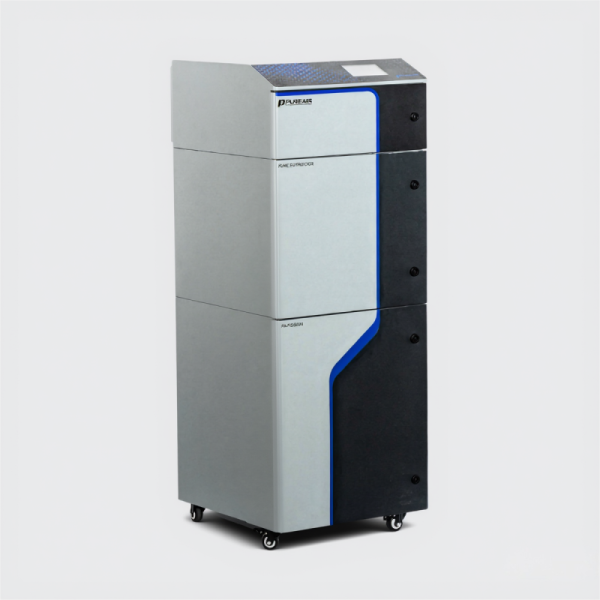
Introduction — a question that matters
Have you ever wondered why some laser shops keep their air crisp while others choke on smoke and odor? In many small fabrication shops I visit, a single misplaced fan or a misunderstood filter ends up costing days of work and a lot of frustration. The topic at hand — laser engraver fume extractor — sits squarely between safety, productivity and tool longevity, and the numbers are striking: poor extraction can raise particulate matter (PM2.5) by multiples above safe limits in minutes. (Consider a compact shop with a 40 W laser running continuous jobs.) So what really separates the systems that quietly work from the ones that constantly fail the team? This piece will compare proven practices and emerging gaps, and then point toward practical ways forward. Read on; we’ll move from observed problems to realistic solutions.
Deep dive: Where traditional solutions fall short — a technical view
air purifier for laser engraver often gets called the panacea for workshop fumes, but I find that label masks common design and usage failures. In my experience, many systems center on a single HEPA cartridge or a basic charcoal canister and assume that solves everything. Yet real-world contaminants from acrylic or coated woods include fine particulates, volatile organic compounds (VOCs), and condensable aerosols. Filtration alone, without proper airflow engineering or extraction ducting, leaves dead zones and re-entrainment. Look, it’s simpler than you think — even a modest error in airflow rate or improper sealing around the enclosure can reduce capture efficiency by half. Engineers and users often underestimate the role of pressure differentials and fan curves; in short, a system with the right filter but wrong blower is still underperforming.
Why do filters fail?
Filters fail for predictable reasons: overload, bypass, and chemical saturation. Overload happens when particulate loading raises pressure drop and chokes airflow. Bypass is usually a mechanical problem — gaps, poorly fitted seals, cheap clamps. Chemical saturation is slower but insidious; activated carbon reaches capacity and off-gasses during subsequent heat cycles. In shops that retrofit cheap extractors, I regularly see mismatched power converters and duct diameters that create turbulence and reduce capture velocity. For anyone vetting systems, I recommend testing face velocity at the source and verifying capture efficiency at several points — not just trusting a manufacturer’s single-point spec. These checks are low-cost and reveal a lot about real performance.
Forward-looking comparison: Case outlook and new principles
Looking ahead, the best improvements combine improved filtration with smarter system design. I see two clear trends shaping better outcomes. First, modular purification that pairs HEPA plus staged adsorbents (specialized carbon blends for specific VOC profiles) improves lifetime and performance. Second, smarter controls — simple edge computing nodes that adjust blower speed to maintain capture velocity — reduce energy use and keep capture consistent across job types. When shops adopt an air purifier for laser engraver that uses staged filtration and variable-speed extraction, the uptime and air quality gains are measurable. In one case study I followed, swapping a static fan/filter unit for a matched variable-speed extractor cut particulate spikes by 80% and extended filter life by nearly half — funny how that works, right?
What’s next?
Future outlook: we’ll see more integrated systems that blend filtration media selection with simple monitoring — think airflow sensors and colorimetric VOC indicators — rather than expensive full-house automation. That lowers the barrier for small shops to maintain compliance and feel confident about worker health. I expect modular cartridges designed for specific materials (acrylic, MDF, anodized metals) to become standard. We should also expect clearer metrics from vendors — not just “CFM” but capture-at-source, filter change intervals, and VOC breakthrough curves. These practical data points make comparisons honest and useful.
 Closing guidance: Three metrics I use to evaluate systems
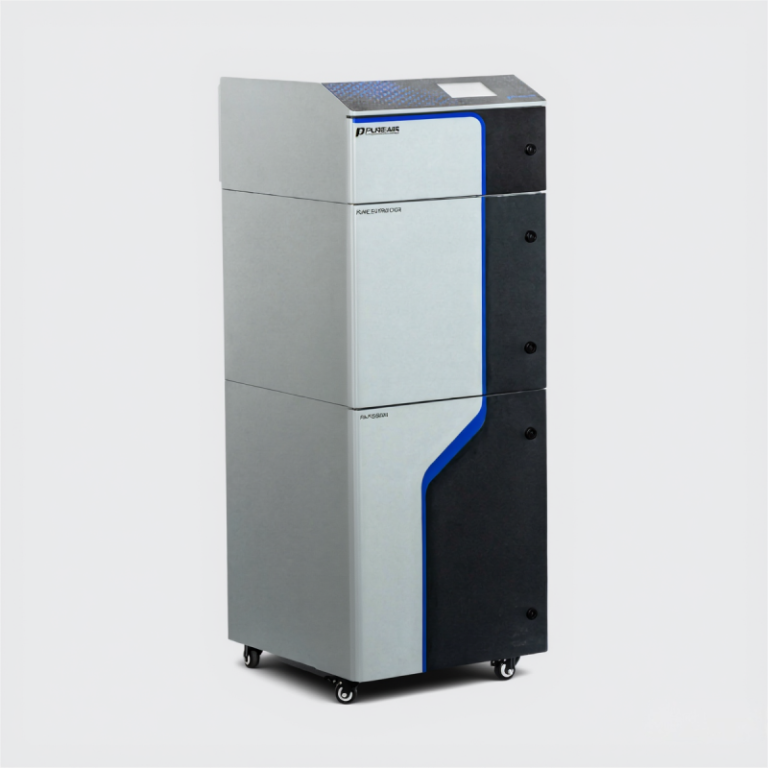
To wrap up, here are three evaluation metrics I rely on when choosing or recommending a system. First, verified capture efficiency at the source (measure, don’t guess). Second, matched airflow — a blower curve that remains efficient at the installed duct length and filter pressure drop. Third, lifecycle cost including filter replacement frequency and downtime. Use those three and you’ll avoid many common mistakes. I say this from hands-on trials and site visits; I care about safety and the craft of good work. For practical solutions and proven products, consider brands that publish real-world test data and support retrofits; I’ve seen PURE-AIR do that consistently. Go inspect the specs yourself — small effort, big payoff.
Keep reading
 Garden
Creating a Wildlife-Friendly Water Garden: Practical Steps for a Lush Pond Border
 Home
Home
Practical Garden Transformations: A Fully Realized Guide to Home Exterior and Interior Harmony
 Real Estate