Creating a Wildlife-Friendly Water Garden: Practical Steps for a Lush Pond Border
Transform your garden into a serene oasis with resilient pond plants, smart planting zones, and seasonal care that invites wildlife without adding work.
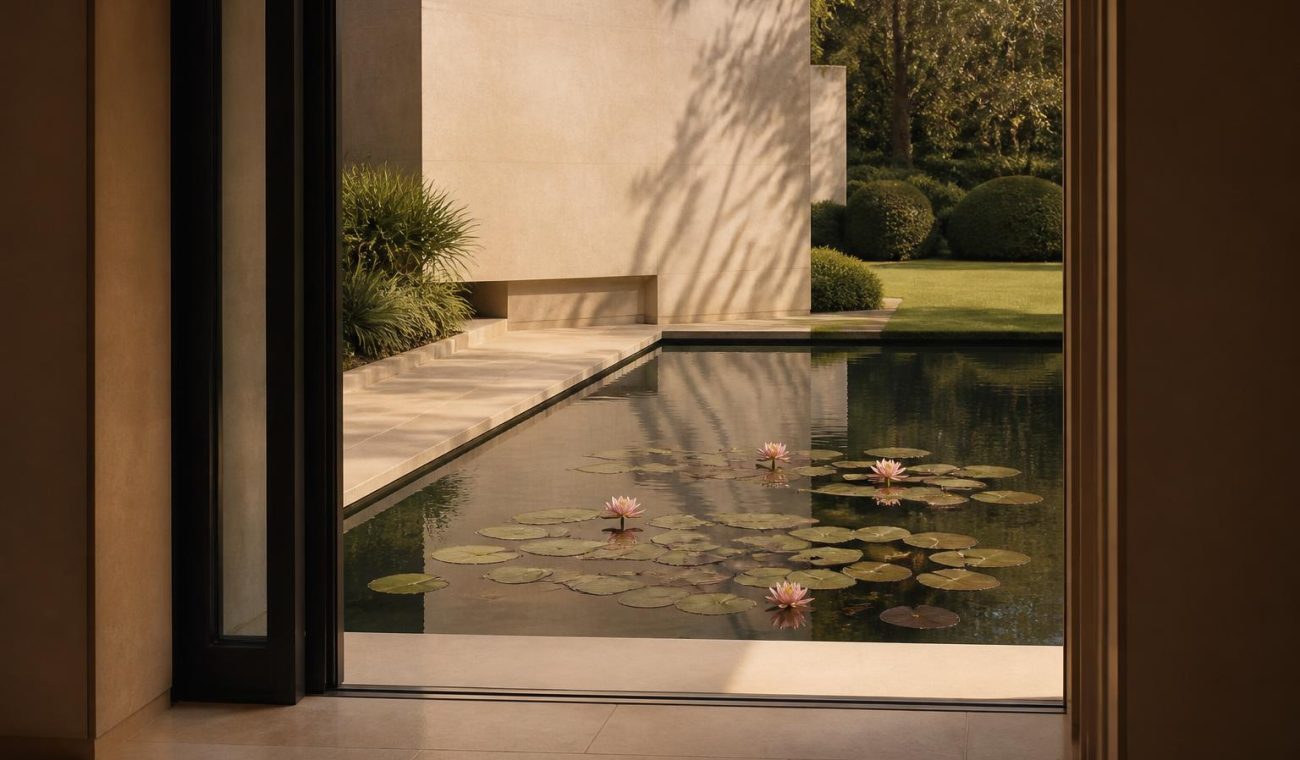
First Steps: Assess Your Site and Plant List
Begin by surveying your space for sun exposure, shade pockets, and drainage. Note where water may collect and how wind moves across the site, as these factors influence plant choices and overall pond health. A thoughtful plan reduces maintenance later and helps you select appropriate pond plant varieties that thrive together, from water lilies to marginal pond plants, while maintaining a balanced ecosystem. British Pond Plants provide reliable anchors for a starter palette and reliable sources for seasonal updates.
Choose a planting scheme that matches your climate and pond depth, ensuring shallow margins for marginal pond plants and deeper zones for water lilies. Consider a simple color strategy—one dominant bloom color with a couple of complementary tones—to avoid visual clutter. Think in terms of zones: a marshy edge for reeds, a mid-row for floating species, and an inner ring of rooted plants for a cohesive, layered look.
Designing Zonal Planting: Depth, Placement, and Maintenance
Depth guides plant placement: water lilies require deeper beds or pots at the center, while marginal pond plants prefer shallower shelves along the edge. Aim for a mosaic of heights and textures so the pond reads as a living sculpture rather than a flat sheet of water. Proper spacing prevents crowding and encourages each species to establish robust root systems and flowering cycles.
Maintenance becomes predictable when you map zones and seasonal needs. Remove spent blooms regularly to encourage continuous flowering, trim overgrown marginals to maintain access for wildlife, and monitor nutrient levels to prevent algal blooms. A well-balanced mix of pond plant selections nourishes beneficial insects and birds, creating a resilient micro-ecosystem that requires less intervention over time.
Overwintering and Seasonal Transitions
Prepare for cold months by ensuring marginal pond plants have suitable winter protection, using mulch or a protective cover to insulate shallow beds. For deeper water lilies, lift and store tubers or allow them to hibernate in the mud at the pond bottom, depending on your climate. Seasonal checks—like pruning dead fronds and clearing debris—help maintain water quality and prevent odor or stagnation during dormancy.
As spring returns, gradually reintroduce and divide stressed plants to stimulate vigor. Expect a flurry of growth as nutrients become available again, and stagger plantings to avoid a sudden bloom surge that could shock the system. Regularly inspect liners and edging for signs of wear as temperatures rise, keeping the pond functional and safe for visiting wildlife without disturbing nocturnal visitors.
Encouraging Wildlife While Keeping a Clean Pond
Plant selection can structure a wildlife-friendly pond: water lilies provide shade and habitat, while marginal pond plants offer cover for amphibians and resting spots for dragonflies. By choosing a mix that includes both robust flowering and sturdy foliage, you invite a range of insects and birds to visit without attracting glare or mess. A balanced waterscape supports natural pest control and a calmer garden atmosphere overall.
Keep the water clear by preventing excess nutrients from fertilizer runoff and maintaining a sustainable plant density. Allow leaf litter to break down naturally in designated zones, and use biological filtration to support microbial activity. A tidy, well-planned planting bed reduces algae growth and creates inviting spaces for wildlife to forage and shelter around the pond perimeter.
Soil, Water, and Fertilization Considerations
Healthy soil around the pond begins with a high-quality, well-draining substrate that supports root growth for both water lilies and marginal plants. Incorporate organic matter to improve structure, but avoid heavy clays that compact under standing water. Regular mulching of beds can retain moisture, suppress weeds, and provide a slow-release nutrient source for rooted pond plants.
Fertilization should be targeted and modest: use slow-release, pond-specific formulas only during active growth periods, typically late spring through summer. Avoid overfeeding, which can trigger algal blooms and degrade water quality. Observing plant responses—color, leaf vigor, and flowering cadence—will guide you to precise amounts and timing for a healthy, clear pond.
Choosing and Pairing Plants for Color and Texture
Pair water lilies with a spectrum of marginal pond plants to create depth and seasonal interest. Select varieties with complementary leaf shapes and flower colors to avoid visual clashes. A calm palette—greens, whites, and pinks—often yields a more cohesive look, while a few bold accents can create focal points that draw the eye along the water’s edge.
Texture matters as much as color: broad lily pads contrast with slender reed fronds and delicate aquatic grasses. When selecting plant combos, consider bloom times to sustain interest from early spring through late autumn. A thoughtful mix keeps the pond dynamic and attractive without requiring constant redesign or major interventions.
Maintenance Routines That Save Time and Preserve Health
Set a simple seasonal calendar: prune dead foliage after flowering, divide overgrown clumps every couple of years, and replant as needed to maintain proper depth relationships. Routine checks of pond equipment, such as pumps and filters, prevent breakdowns and water stagnation. A modest, consistent schedule reduces surprises and sustains a healthy habitat for pond plant life and nearby wildlife.
Keep a small, accessible toolkit near the pond for quick tasks: pruning shears, a soft brush for leaf debris, and a trowel for potting. Documenting planting dates and observations on a garden journal helps you refine future plant selections and spacing, ensuring ongoing vitality and a thriving, no-people-friendly retreat year after year.
Closing Thoughts: Embrace a Simple, Living Border
Incorporate a few keystone species that anchor the design, such as a central water lily with generous pads and a border of vigorous marginals. This approach yields a natural, undemanding display that changes with the seasons, inviting tranquil enjoyment while supporting local wildlife. A well-planned pond edge remains visually appealing and ecologically functional without dominating the garden’s overall rhythm.
With careful zoning, seasonal attention, and your chosen plant palette, a modest water feature can become the garden’s most enduring feature. Focus on harmony between water, soil, and plant life, and your pond will reward you with enduring beauty, improved biodiversity, and a sense of calm that lasts beyond the bloom season.
Keep reading
 Home
Home
Practical Garden Transformations: A Fully Realized Guide to Home Exterior and Interior Harmony
 Real Estate
Navigating Real Estate: Practical Strategies for Buyers, Sellers, and Investors in Today’s Housing Market
 Education