Comparative Insight: Why Adaptive Cow Lighting Beats Old-Fashioned Barn Systems
Introduction — a farm morning, some numbers, and a question
I was out in the shed before dawn and noticed the herd moving differently under a row of tired old bulbs—same cows, different mood. Cow lighting affects behaviour more than most farmers admit, and studies show modest shifts in photoperiod control and lumen output can lift yield by a few per cent (often 2–5% in trials) — that adds up fast. So, if simple tweaks to light timing and intensity can change milk and welfare, why are so many farms still sticking with decade-old fixtures and plain timers? Let's unpack that and see where the real problems lie.
Where traditional cattle lighting fails: a technical look
cattle lighting has come a long way, but a surprising number of systems on working farms are still basic, manual setups that ignore modern control needs. I’ve seen three common failure modes: fixed schedules that don’t match herd rhythms, poor spectral balance from cheap LED arrays, and inadequate dimming drivers that cause flicker. These issues reduce the effectiveness of photoperiod control, stress animals subtly, and blunt expected gains in milk yield and fertility.
So what’s actually breaking down?
First, fixed timers: they assume every day is the same. That ignores seasonal shifts and individual cow cycles. Second, mismatched spectrum: LEDs marketed for barns often focus on raw lumen output rather than the wavelengths that influence melatonin and circadian rhythm in cattle. Third, power quality: cheap power converters and faulty drivers introduce flicker and heat, which interrupts restful periods. Those are industry terms for issues I think about every time I walk a farm—dimming drivers, power converters, sensor fusion (for activity tracking) and edge computing nodes (for on-site control). Look, it’s simpler than you think: a smarter driver and the right spectrum make a big difference.
New principles for better outcomes — what comes next
Building off those failings, the next step is applying clear technical principles to lighting design. I favour three: responsive control, spectral intent, and reliable power management. Responsive control means systems that adapt — using local edge computing nodes to change light schedules based on behaviour data, not only a fixed clock. Spectral intent means selecting LED arrays tuned to the blue–red balance that supports cattle circadian cues. Reliable power management calls for quality power converters and robust dimming drivers to avoid flicker and heat. These principles reduce stress, improve feed efficiency, and give farmers predictable results rather than guesswork.
Real-world impact — where tech meets the yard
In practice, farms that adopt these principles often pair sensor fusion (movement and rumination sensors) with adaptive lighting to smooth daily rhythms. One pilot I visited swapped out old fittings for spectral-tuned LEDs and added local controllers; milk yield rose and cow rest improved. The cost wasn’t trivial, but the predictable lift in efficiency and welfare made the investment sensible — funny how that works, right? I’m not saying every shed needs a full IoT refit overnight. Instead, prioritise upgrades that fix the big leaks: spectrum first, then control, then power quality.
Choosing the right system — three metrics I use
When I recommend solutions, I look at three clear metrics you can use at farm level. First: spectral fidelity — does the system deliver the wavelengths that matter for cattle circadian cues? Second: control latency — how fast and local are the adjustments (this is where edge computing nodes matter)? Third: power stability — do the power converters and dimming drivers prevent flicker and heat under load? Measure those and you’ll see which setups actually support herd performance.
In short, I’ve learned to treat lighting like a behaviour tool, not just an overhead bulb. It’s about matching light to biology, and making sure the tech doesn’t get in the way. If you’re comparing options, test spectrum, test response, test power. Do that and you’ll stop guessing and start fixing real pain points.
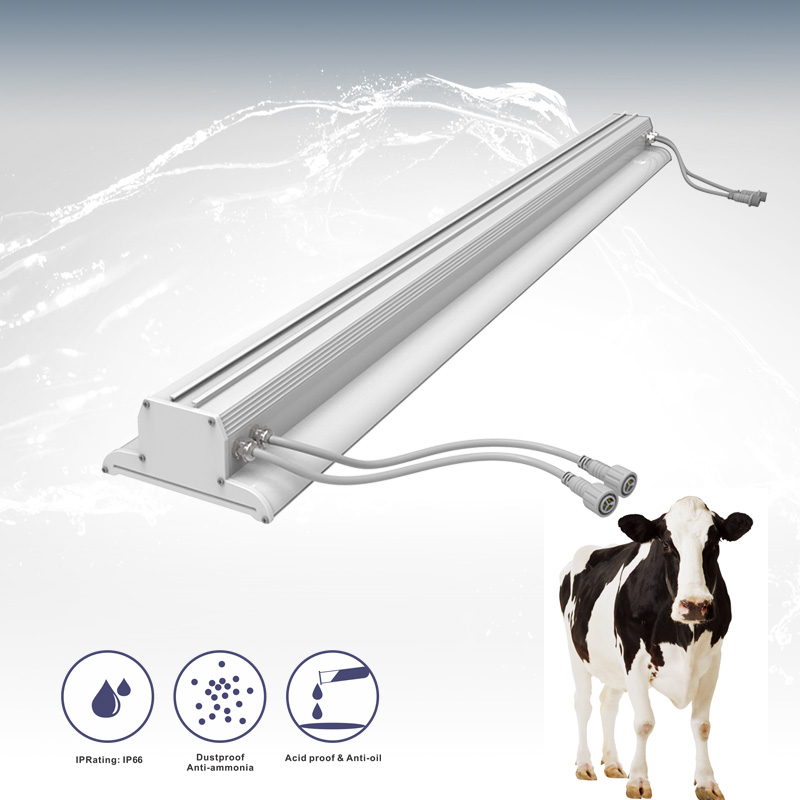 For practical kit and options I’ve found useful in the field, check out cattle lighting ranges that prioritise spectral tuning and robust drivers. If you want a quick checklist before you call a supplier: spectral test, latency check, and power audit. That’ll save time and money in the long run — and you’ll sleep better knowing the herd will too. For more gear and resources, take a look at szAMB.
Keep reading
 Garden
Creating a Wildlife-Friendly Water Garden: Practical Steps for a Lush Pond Border
 Home
Home
Practical Garden Transformations: A Fully Realized Guide to Home Exterior and Interior Harmony
 Real Estate