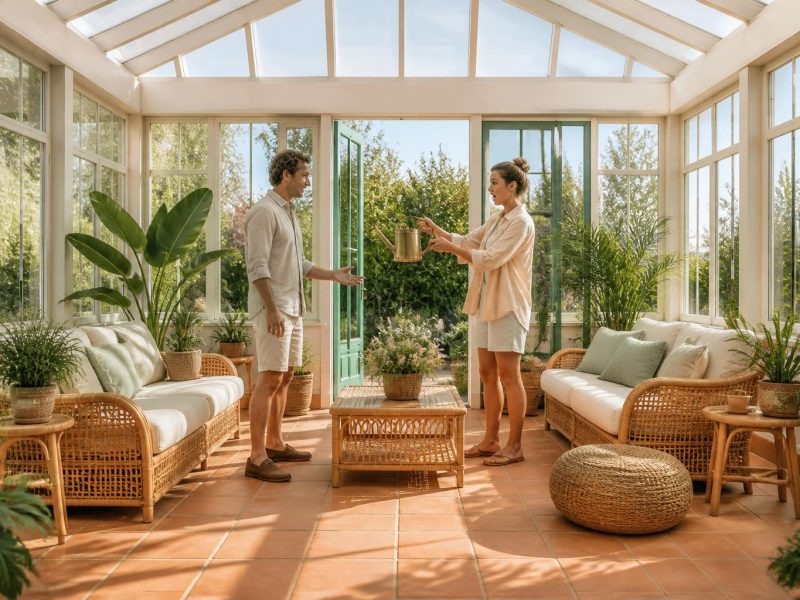
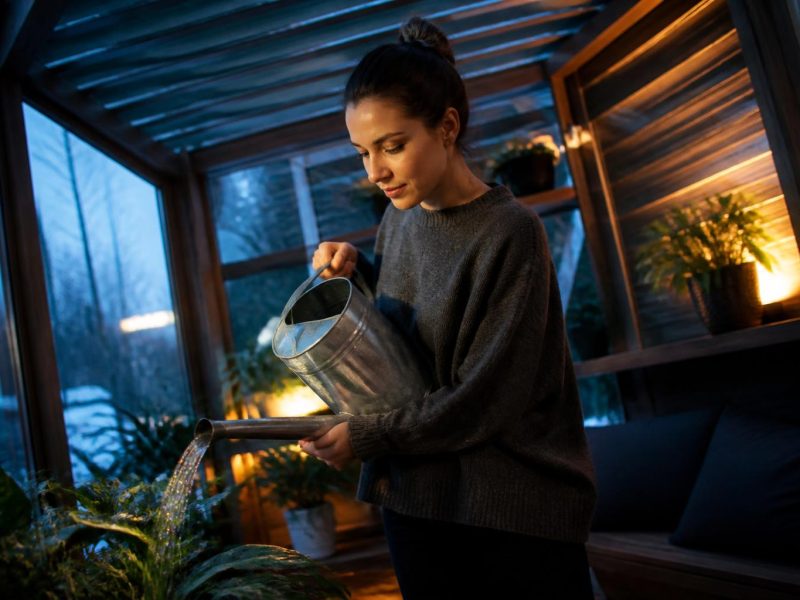
Smart Landscaping and Indoor-Outdoor Harmony: Practical Guide for Home Gardeners
Create cohesive spaces that blend interior comfort with outdoor gardening, using practical, real-world tips for home improvement and decor.
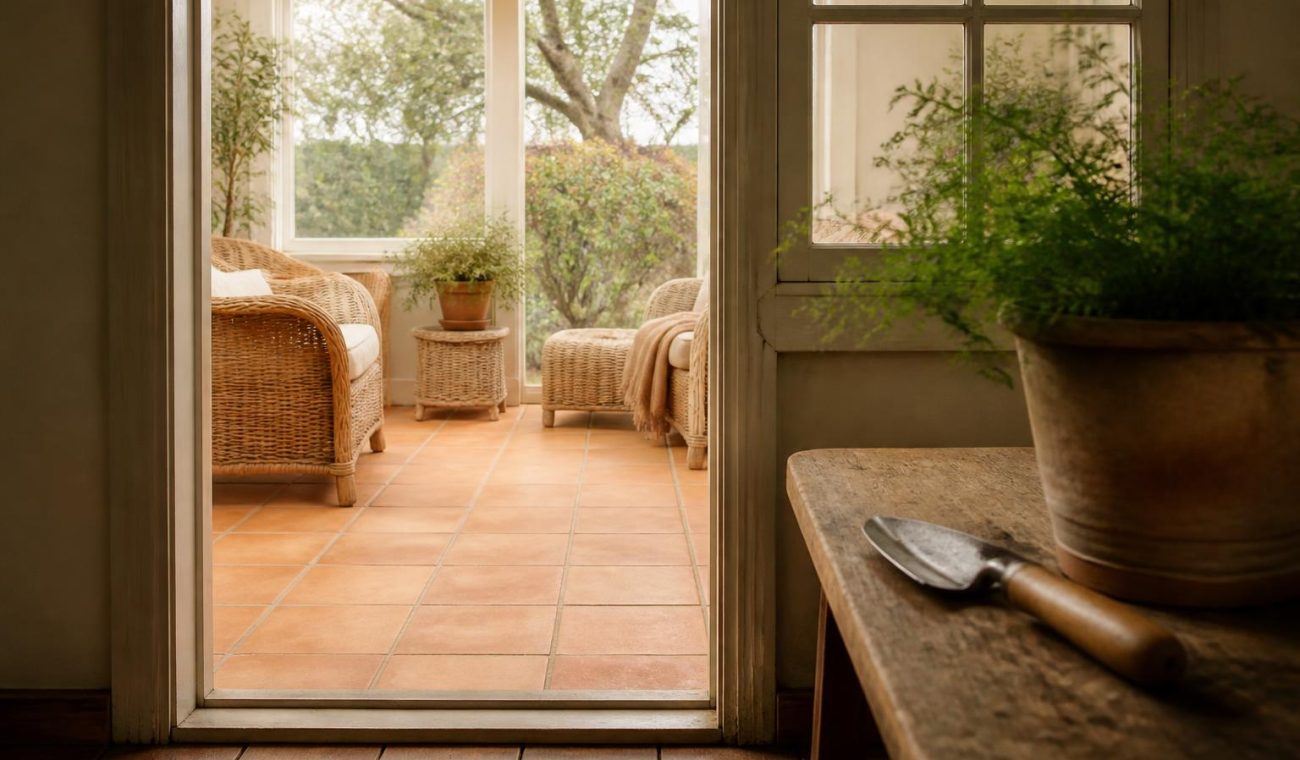
Designing a cohesive home garden and interior space
Creating a unified look between indoors and outdoors starts with mapping essential zones: seating, paths, and productive plant beds that flow from the interior to the yard. thoughtful placement reduces foot traffic in delicate beds and guides guests through a natural narrative, linking decor choices with gardening goals. By prioritizing shade, light, and accessibility, you optimize both comfort and usability while keeping aesthetics consistent with your home improvement plans, including cautious color and material selection. lidar technology helps visualize sightlines and create accurate, scalable layouts for future projects.
Begin by sketching a rough floor-to-yard diagram that highlights how your interior decor resonates with outdoor textures. Armchairs that mimic the color of nearby shrubs, planters that echo interior vases, and stone paths that mirror living room tiles reinforce a seamless transition. This approach not only elevates mood but also increases real estate value, offering a practical framework for ongoing home improvement, interior updates, and gardening expansion without abrupt stylistic gaps.
Choosing plants for year-round curb appeal
Selecting a plant mix that thrives through all seasons reduces maintenance while sustaining visual interest. Invest in evergreens for structure, deciduous perennials for seasonal color, and seasonal annuals to fill noticeable gaps. Consider sun exposure, soil texture, and water needs to minimize replacements and maximize growth, which aligns with sustainable decor and thoughtful home improvement strategies that save time and money over time. A well-planned palette also informs container choices that mirror interior color schemes.
Planters should vary in height and material to create depth, much like layering furniture in a living room. Use ceramic pots for focal points, metal troughs for modern accents, and wooden boxes that soften harsh edges in contemporary yards. By coordinating plant types with container finishes, you maintain a cohesive aesthetic that supports both interior-inspired decor and practical gardening outcomes, including soil health and drainage considerations.
Water-wise gardening and efficient irrigation
Efficient irrigation begins with a simple assessment of rainfall patterns and plant water needs. Install drip lines or soaker hoses close to root zones to minimize evaporation and reduce weed growth, then add a rain barrel to capture runoff for dry spells. This approach saves water, lowers utility costs, and complements a disciplined home improvement plan focused on sustainability, while keeping garden beds lush and accessible for routine care and harvesting. Documentation helps you refine seasonal schedules for irrigation and mulching.
Mulch thickness, weed control, and soil amendment work together to stabilize moisture levels and improve soil structure. Organic compost enriches beds without harsh synthetic inputs, aligning with interior décor that favors natural textures like wood mulches or earthy stones. Regular monitoring of plant health and moisture ensures long-term vitality, allowing you to enjoy gardening with less effort and more consistent color and texture in both beds and borders.
Outdoor lighting that enhances mood and safety
Lighting plans should support both function and mood, highlighting walkways, plant specimens, and architectural features. A mix of warm, low-wattage LEDs along paths and uplights for specimen trees creates layered illumination that extends useable time outdoors. Strategically placed lighting aligns with interior glow, reinforcing a cohesive decor narrative while improving safety and curb appeal during evenings and entertaining, a core element of mindful home improvement planning.
Consider solar accents for eco-friendly options and timer-based controls to simplify maintenance. Shielded fixtures prevent glare and preserve night skies, while dimmable options let you adjust intensity to match activities, from casual gatherings to quiet evenings. Proper lighting reduces trip hazards and enhances the perceived value of your garden and interior spaces, especially when paired with suitable outdoor furniture and plant selections.
Creating outdoor rooms that extend living space
Dedicated outdoor rooms mimic interior layouts: a dining nook, a sunlit lounge, and a contemplative corner with a water feature. Use weather-resistant furniture that complements indoor decor, along with weatherproof rugs and cushions to soften the space. By translating interior design principles outside, you create a seamless flow between environments that supports both practical gardening tasks and relaxed entertaining, fulfilling a holistic home improvement vision.
Framing materials, such as pergolas or trellises, provide shade and visual anchors similar to room dividers inside. Add textiles that resist fading and plant groupings that echo interior color schemes to tighten the connection between spaces. With careful planning, outdoor rooms become extensions of your home interior, enabling flexible use for gardening projects, casual meals, and quiet work days at the edge of your property.
Soil health and composting as the foundation of beauty
Healthy soil is the foundation of vibrant gardens and resilient landscapes. Begin with a soil test to determine pH, nutrient balance, and texture, then amend with compost and organic matter to improve structure and microbial life. This level of care reduces fertilizer needs and supports sustainable home improvement efforts by promoting flourishing plants with less input, while sustaining a natural aesthetic that complements interior styles and decor choices.
Layer beneficial microbes with mulch, and rotate plant families to prevent disease buildup in beds. A living soil approach enhances drainage, root growth, and drought tolerance, aligning gardening goals with interior design aims that favor simple, effective maintenance routines. Regularly monitor plant responses to amendments and adjust feeding schedules to sustain year-round vigor and consistent color dynamics across borders and containers.
Maintenance routines that keep spaces inviting year after year
Establish predictable maintenance intervals for mowing, pruning, weeding, and container refreshes to prevent overgrowth and decline in health. A simple calendar with seasonal tasks helps you stay ahead of problems, preserving curb appeal and interior harmony. When tasks align with a broader home improvement plan, you reduce last-minute fixes and maintain consistent decor, healthful plantings, and efficient water use across the landscape.
Routine care includes soil checks, pest monitoring, and timely pruning to promote air circulation and strong structure. Use quality tools and storage solutions that mimic organized interior spaces, reinforcing a sense of tidiness and order. By integrating maintenance with a decorative plan, you keep both indoor environments and outdoor zones welcoming, functional, and beautiful throughout the year.
Two to three sections with enhanced texture
Texture and material choices
- Mix smooth and rough surfaces: glazed pots with wooden planters balance reflective and tactile dynamics.
- Incorporate natural fibers in cushions and outdoor rugs to echo interior fabrics.
- Use stone, wood, and metal accents that harmonize with interior decor while standing up to weather.